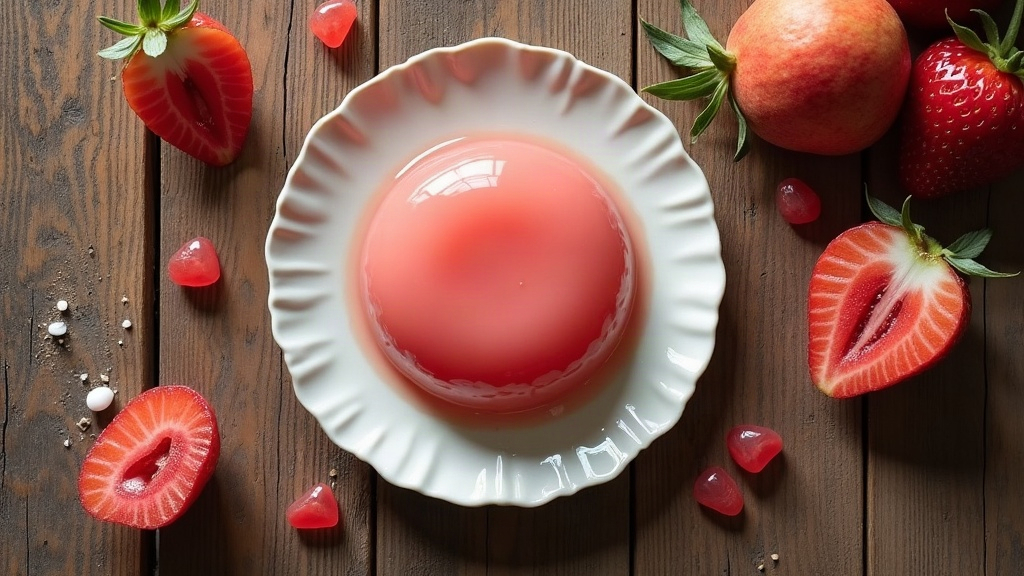
This isn’t about quick fixes. It’s about understanding how gelatin fits into everyday habits many women quietly rely on.
Have you noticed your body responding differently than it used to? You’re not imagining it.
Hunger cues shift over time. Some women notice they need different textures and proteins to feel satisfied after a meal.
As years pass, the body produces less collagen. Many women start paying closer attention to foods like gelatin that naturally contain it.
Maintaining muscle tone becomes a bigger conversation as metabolism and daily routines change.
What worked in someone else's twenties may not match how a woman's body works today. Old rules don't always apply.
So much of what we hear about metabolism gets repeated without ever being questioned.
Metabolism only slows because of age.
Habits, sleep, and muscle mass play a role too, not just birthdays.
Cutting all fat is the fastest path to a leaner look.
Some fats support hormone balance and skin health.
Feeling full only comes from eating less.
Protein and gelatin-rich foods can change how filling a meal feels.
No overhaul required. Just a different way of paying attention.
Pay attention to how your body responds to different meals and routines.
Small swaps, like adding a gelatin-based snack, can fit into an existing routine.
Consistency, not intensity, is what turns a habit into a routine.
Long before supplements lined store shelves, home cooks simmered bones and connective tissue into broths and jellies. Gelatin was simply part of the kitchen, not a trend. Grandmothers made it because nothing went to waste, and the result was a protein-rich staple that fit naturally into daily meals.
The insight isn’t that old recipes were magic — it’s that they used whole ingredients without needing a label to explain why.
Feeling hungry soon after eating a full meal.
Skin that seems less plump or elastic than before.
Mornings that start with more stiffness than they used to.
Clothes fitting differently even without major changes.
Afternoon energy that disappears faster than expected.
Nails that chip or break more easily.
These testimonials reflect personal opinions and experiences. They are not intended as claims that any product or habit will produce similar results for anyone. Individual results may vary.
Gelatin is a protein derived from collagen, often used in food preparation for its texture and nutritional profile.
Hydrolyzed gelatin is gelatin that has been broken down into smaller particles, which some people find easier to mix into drinks or foods.
No. This content is educational and focuses on habits and ingredients, not weight-loss claims.
Yes, this information is intended for general educational purposes for women of any age or background.
No single ingredient replaces varied nutrition. Gelatin is discussed here as one part of a broader routine.
There is ongoing interest in collagen-related nutrition. We encourage you to discuss any specific claims with a healthcare professional.
Watch the accompanying video for a deeper look at how gelatin fits into traditional and modern routines.
Take two minutes to see how gelatin has quietly stayed part of women’s kitchens for generations.
Advertising Disclosure: This is sponsored content that may contain affiliate links. We may receive compensation if you make a purchase through links on this page. This helps support our content at no additional cost to you.
Content Disclaimer: This content is for educational purposes only and has not been evaluated by the FDA. It is not intended to diagnose, treat, cure, or prevent any disease. Always consult a qualified healthcare professional before making changes to your diet or wellness routine.
Results Disclaimer: Individual results vary. Testimonials shared on this page reflect personal experiences and are not a guarantee of similar outcomes for any reader.
© 2026 All Rights Reserved · Contact: /contact/